Impact & Reports

Evidence, accountability, and community outcomes in one place.

This page brings together annual reporting, program metrics, financial summaries, and field examples showing how Samernas Riksorganisation converts advocacy and community partnerships into measurable public value.

Annual Reporting Snapshot

2025 impact reporting emphasizes participation, rights advocacy, and disciplined stewardship.

The latest consolidated report tracks how board oversight, regional organizing, and direct program support reinforced Sami self-determination across consultations, youth leadership, and public accountability work.

39 consultations, briefs, and formal submissions supported
1,460 participants engaged through forums, training, and public briefings
89% of spending directed to mission delivery and community-facing work
Outcome Areas

Reporting is organized around four areas where impact can be demonstrated clearly.

Each section pairs narrative explanation with outputs, participation data, and governance signals so stakeholders can assess both reach and quality.

01

Rights and Consultation Support

Reports document submissions, legal coordination, consultation preparation, and follow-up actions taken with member communities facing policy or land-use pressure.

02

Youth and Language Continuity

Outcome tracking includes mentorship retention, event participation, peer leadership growth, and the practical support required to sustain language-centered programming.

03

Regional Capacity and Partnerships

Published summaries cover training delivered to local associations, partnership forums convened, and practical improvements in readiness, documentation, and community coordination.

04

Governance and Public Trust

Board attendance, policy updates, procurement controls, and reserve oversight are reported alongside mission outcomes so stewardship remains visible, not abstract.

Financial Dashboard

Mission spending is reported against explicit categories that stakeholders can inspect quickly.

The current reporting format separates direct delivery, policy work, local grants, and governance costs to reduce ambiguity around organizational stewardship.

Publication Archive

Key report types published for members, funders, and public-interest partners.

The archive is designed to answer different accountability questions, from annual performance to operational risk and regional implementation.

Annual Impact Annual Impact Report

Organization-wide narrative, performance metrics, mission delivery trends, and highlights from the reporting year.

Finance Financial Stewardship Summary

Budget distribution, reserves, control notes, and board-reviewed commentary on spending discipline.

Programs Community Outcomes Brief

Program participation, direct outputs, local partnership reach, and delivery lessons from the field.

Governance Board and Policy Review

Attendance, committee work, policy refreshes, disclosures, and core governance actions recorded for accountability.

Field Example

A regional concern became a documented, trackable advocacy response.

One reported case began with member concerns about incomplete consultation practice. The organization used its reporting framework to capture the issue, align evidence, assign legal follow-up, and communicate progress back to stakeholders.

Issue logged: community feedback identified procedural gaps and inconsistent access to supporting documentation.
Action coordinated: staff and board leadership assembled case records, regional testimony, and advocacy messaging.
Outcome reported: the matter advanced into formal review and became part of the year-end impact narrative.
Visual Evidence

Report pages are grounded in lived community work, not abstract metrics alone.

Community workshop supporting consultation readiness

Consultation Readiness

Workshops help member groups prepare records, testimony, and shared advocacy positions for official processes.

Participants in a community-facing continuity program

Continuity Programs

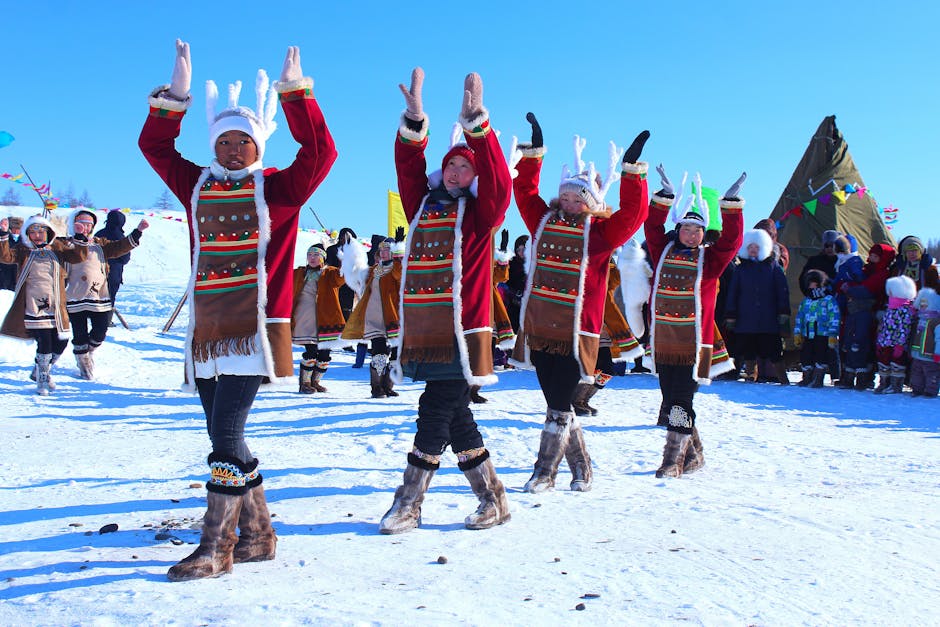
Reporting highlights how cultural continuity and participation remain central to organizational impact.

Landscape connected to land stewardship and Sami rights

Land and Stewardship Context

Scene-based documentation situates advocacy outcomes within the landscapes and livelihoods they affect.

Northern scene reflecting regional collaboration

Regional Partnership Work

Public-facing summaries connect field activity to institutional coordination across northern Sweden.

Reporting Cycle

How impact moves from field activity into formal publication.

Q1

Data and case collection

Program teams compile participation counts, field notes, and advocacy developments from member-facing work.

Q2

Financial and governance review

Budget categories, reserve notes, committee activity, and control updates are checked for publication readiness.

Q3

Draft narrative assembly

Outcome stories, statistics, and visual documentation are aligned into a board-reviewable reporting package.

Q4

Publication and stakeholder briefing

Final reporting is released alongside briefings for members, partners, and supporters seeking transparent updates.

Transparency Signals

Readers should understand the value of support without decoding internal jargon.

Clear

Metrics are framed in plain language so community members, donors, and partners can read the same story.

Comparable

Consistent categories make year-over-year shifts in mission spending and program scale easier to interpret.

Traceable

Each publication links reported outcomes back to governance review, documented activity, and accountable stewardship.